
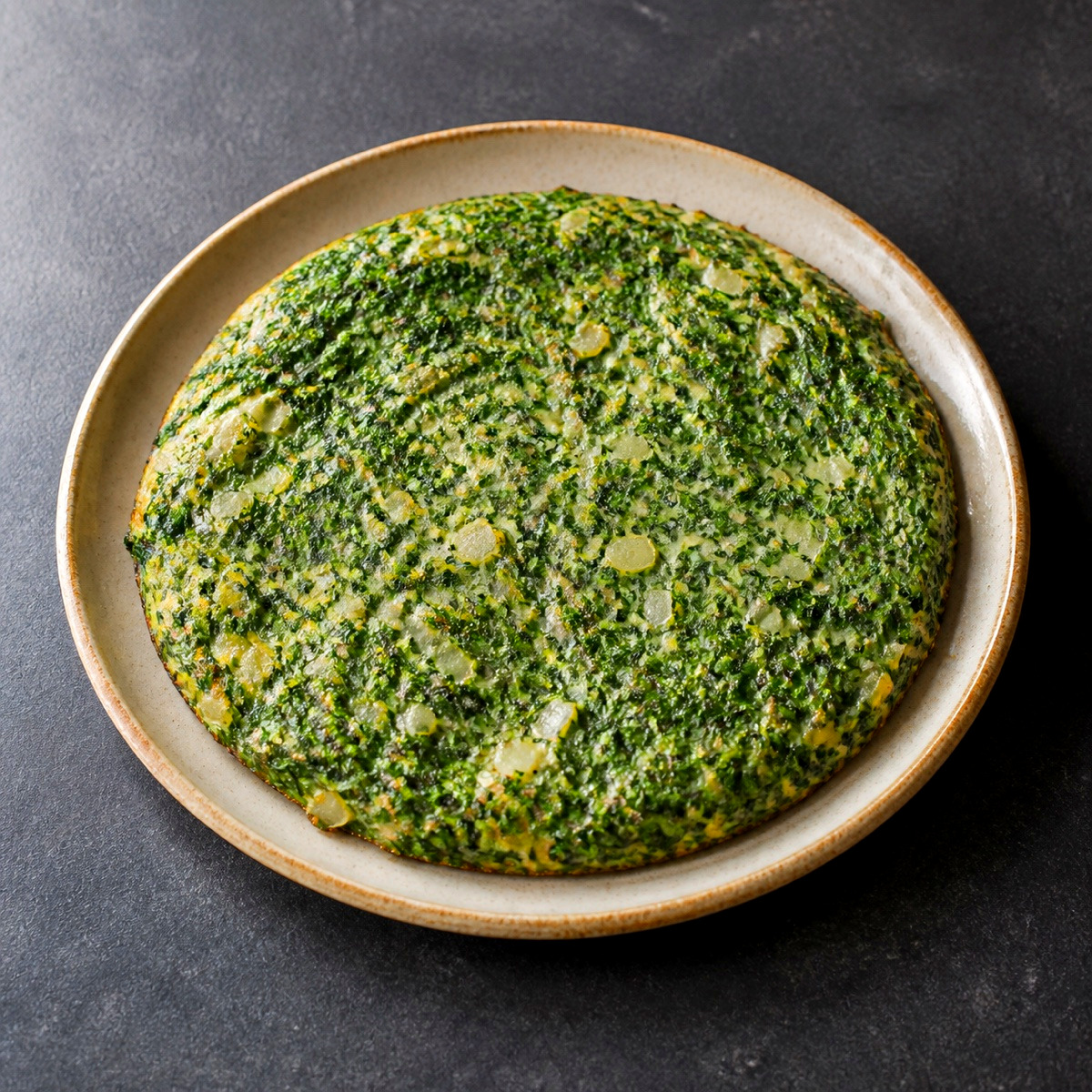
Parsley and Onion Ejjeh
A thin Levantine herb omelette packed with parsley and onion, covered to cook without a risky flip.
Vegetarian
- Cooking time
- 15 min
- Hands-on time
- 10 min
- Free time
- 5 min
- Difficulty
- Easy
- Cuisine
- Levantine
- Calories
- 210
- Contains
- Eggs, Gluten
A good ejjeh is greener than it is yellow; a lid sets the top with gentle steam and keeps it in one piece.
Before you start
- Before turning on the heatDry the parsley after washing; excess water makes the omelette fragile and wet.
- The twenty-minute promiseThe clock runs from the first cut to serving. There is no hidden soak or marinade and no pre-cooked ingredient unless it is clearly labeled canned or ready to eat.
Ingredients
Amounts follow the number of people
For the ejjeh
To double the recipe, use a wider pan or bowl and adjust salt, acid, and spices by tasting rather than arithmetic alone.
Equipment
- Nonstick skillet with a lid — The nonstick surface lets the eggs set gently without tearing.
- Small bowls for preparing the eggs — Set it out before starting so the recipe stays within its short cooking time.
Method
Chop the parsley and onion and whisk the eggs with flour, spices, and salt until no flour lumps remain.
You’ll know it’s ready whenThe filling is ready and the eggs are lightly whisked.
Tip: Do not over-whisk; stop once the white and yolk are just combined.
Fold the parsley and onion into the eggs and heat the oil over medium heat.
You’ll know it’s ready whenThe herbs are evenly distributed and the skillet is hot without smoking.
Tip: Cook off vegetable moisture before adding the eggs so the dish does not turn watery.
Pour in the mixture and level it to an even thickness to the edges.
You’ll know it’s ready whenThe egg is distributed through the filling and no longer runny at the edges.
Tip: Lower the heat after adding the eggs; high heat dries the surface before the center sets.
Cover the skillet and leave it over the lowest heat.
You’ll know it’s ready whenThe top is set and the golden edges release from the pan.
Tip: Lift the lid only once near the end so heat is not lost every minute.
Slide the ejjeh onto a plate, cut into wedges, and serve warm.
You’ll know it’s ready whenThe eggs are tender but set and the dish is ready to eat at once.
Tip: Take the eggs off before they look dry; residual heat finishes the last moment of cooking.
More from Breakfast
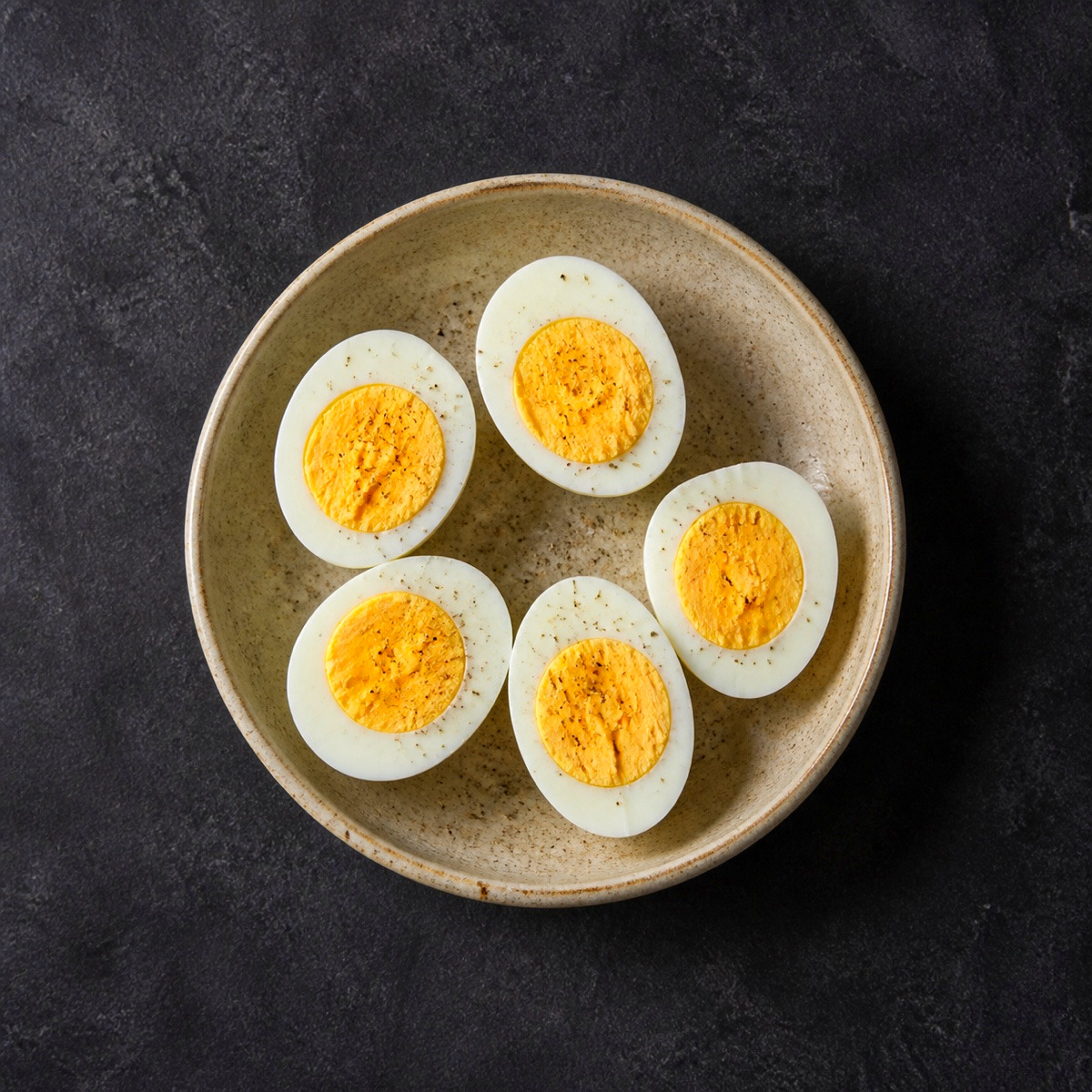
Boiled eggs
34 min
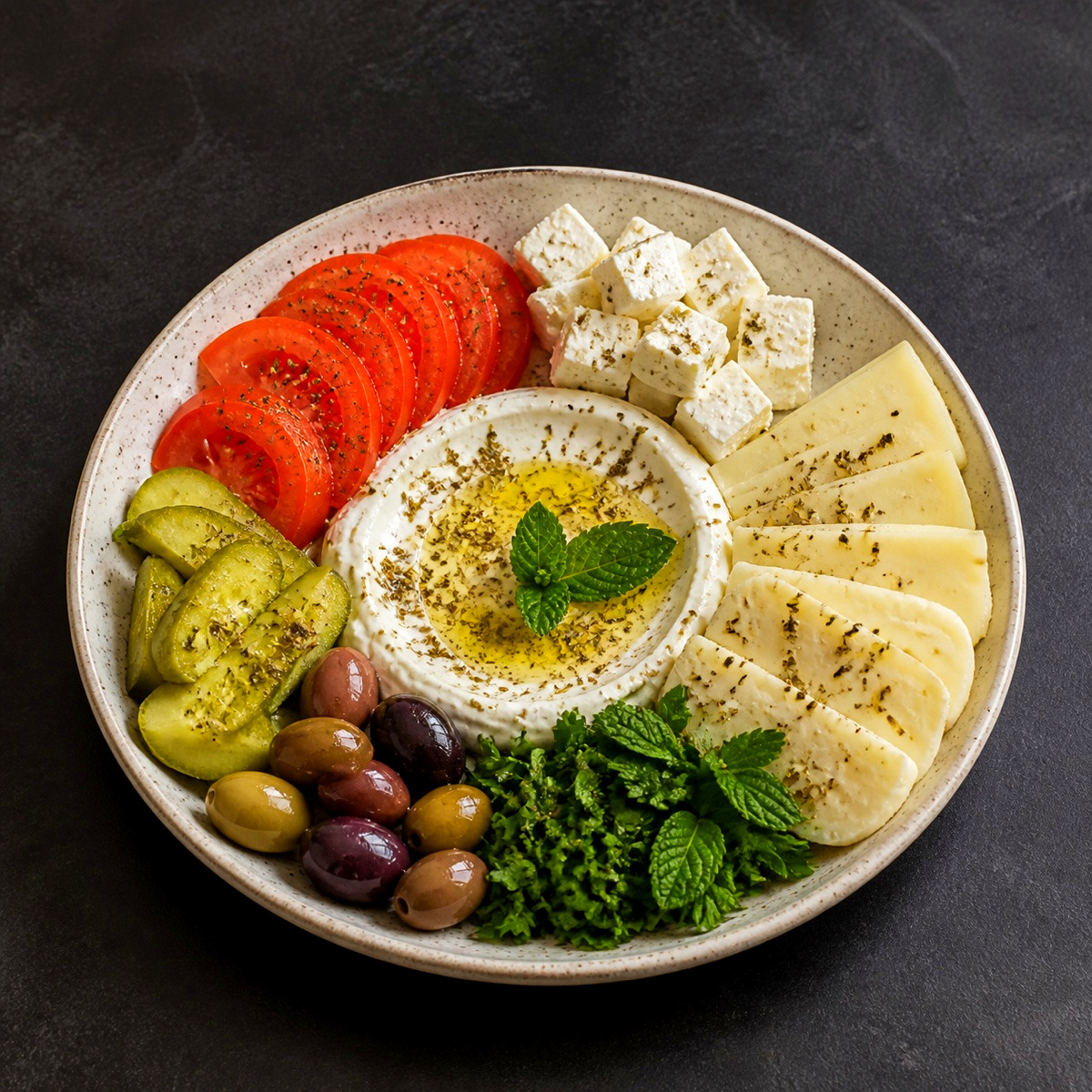
Arabic breakfast dish
34 min
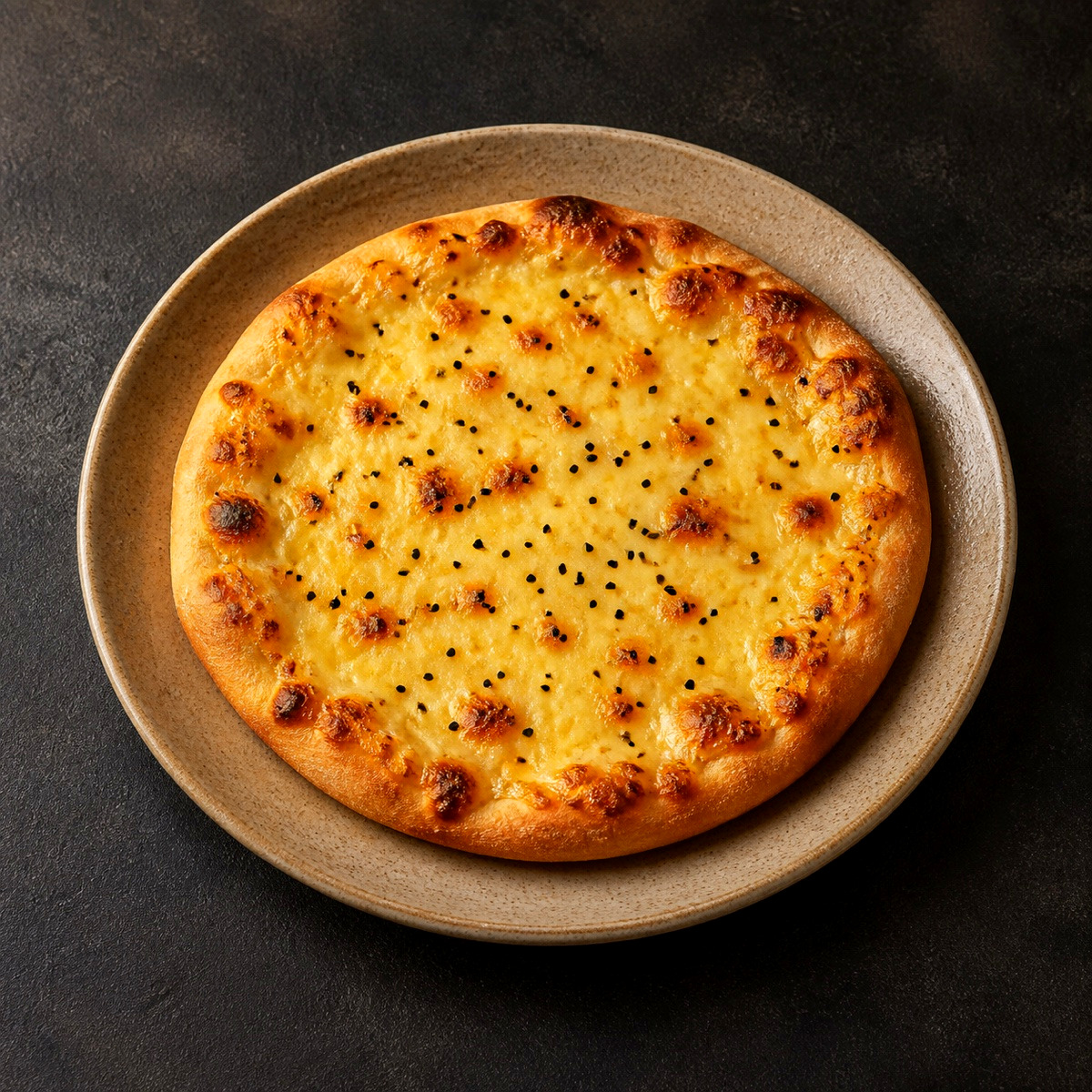
Cheese manakish
1 hr 30 min
Cheese omelette
12 min
Cream and honey
11 min

Eggs with Basturma
10 min