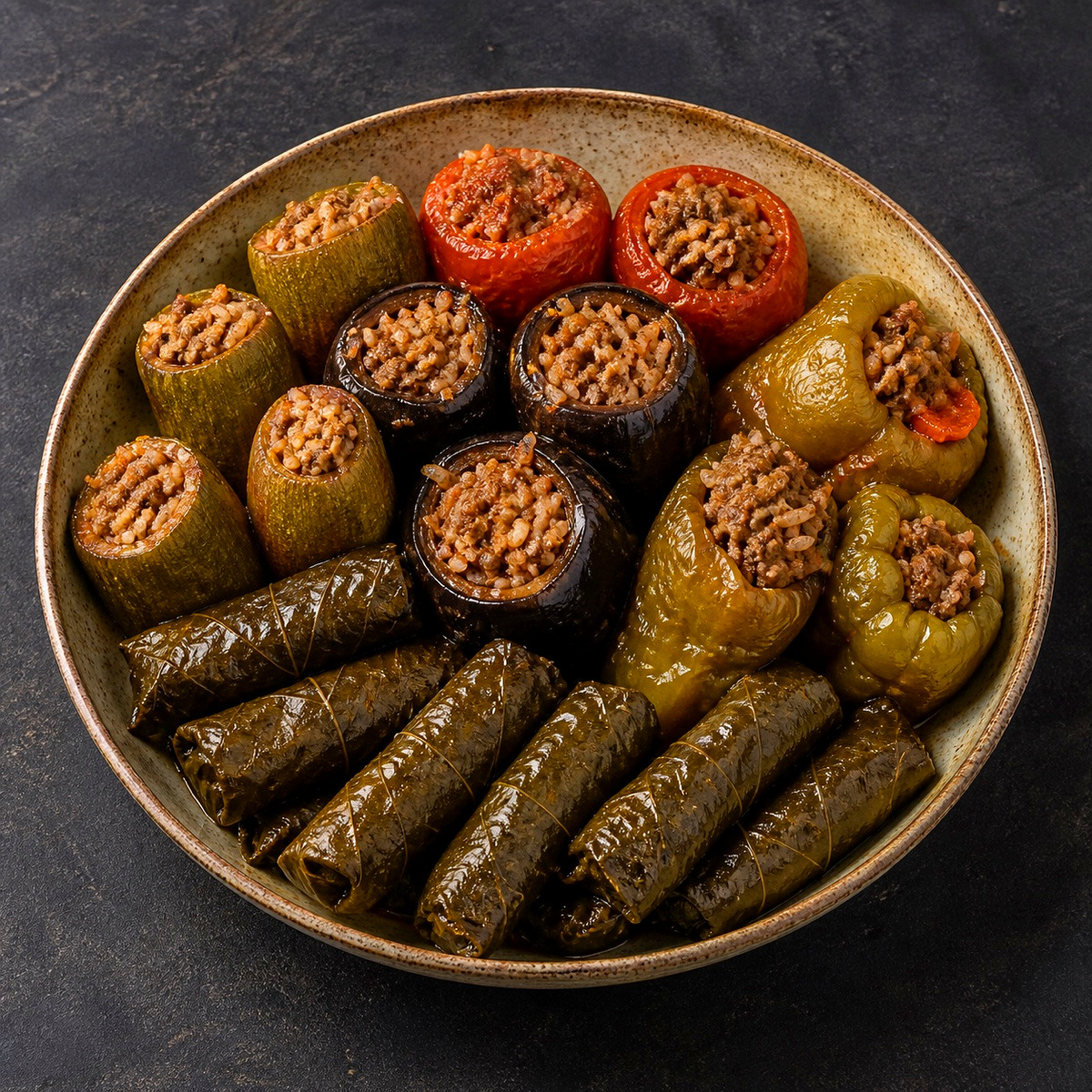
Mixed mahshi platter
Courgettes, aubergines, peppers, tomatoes and vine leaves stuffed with rice and meat, cooked together in one pot.
- Cooking time
- 2 hr 8 min
- Hands-on time
- 1 hr 18 min
- Free time
- 40 min
- Difficulty
- Medium
- Cuisine
- Levantine
- Calories
- 660
- Contains
- Dairy
The big pot of mahshi that brings the family together. Each vegetable is filled only two-thirds, because the rice doubles and splits them, the heavy ones go in the bottom with the light ones on top, and a heavy plate holds them down throughout cooking.
Before you start
- Before you beginRead the steps completely, measure the ingredients, and prepare the tools before turning on the heat or oven.
- Timing the servingPrepare what you can in advance and leave the final touches until serving time to maintain the texture.
Ingredients
Amounts follow the number of people
For the vegetables
For the filling
For the broth
When doubling the quantity, use a wider container, and gradually increase the salt and seasoning after tasting.
Equipment
- Corer — Courgette, aubergine and tomato are hollowed with it without breaking the wall.
- Wide pot — The heavy pieces in the base, the light ones above.
- Heavy plate — Placed over everything to hold it steady while it cooks.
- Wide serving tray — The pot is turned onto it after ten minutes of resting.
Method
Hollow out the zucchini, eggplant, and tomatoes with a coring tool, remove the seeds from the peppers, and boil the grape leaves for two minutes.
You’ll know it’s ready whenThe inner wall is thin and even, with no holes.
Tip: Too thick a wall won't cook, and too thin bursts — the width of a little finger is right.
Mix the rice with the meat, ghee, spices, salt, and chopped tomato pulp.
You’ll know it’s ready whenThe filling is homogeneous and slightly moist.
Stuff each vegetable only two-thirds full, and roll the grape leaves into thin, tight fingers.
You’ll know it’s ready whenNothing is filled to the brim.
Tip: The rice doubles — stuffing them full splits the vegetables.
Arrange the heavier items at the bottom of the pot and the lighter ones on top of them, and place a heavy plate to stabilize them.
You’ll know it’s ready whenThe stacking is tight and the pot is full with no gaps.
Mix the paste with hot water and salt, pour it in until it is covered, cover and leave it on low heat.
You’ll know it’s ready whenThe rice in the slowest vegetable is soft.
Add the lemon juice and leave the pot for ten minutes before turning it out onto a serving tray.
You’ll know it’s ready whenThe vegetables hold their shape and the broth is reduced and glossy.
On the same table
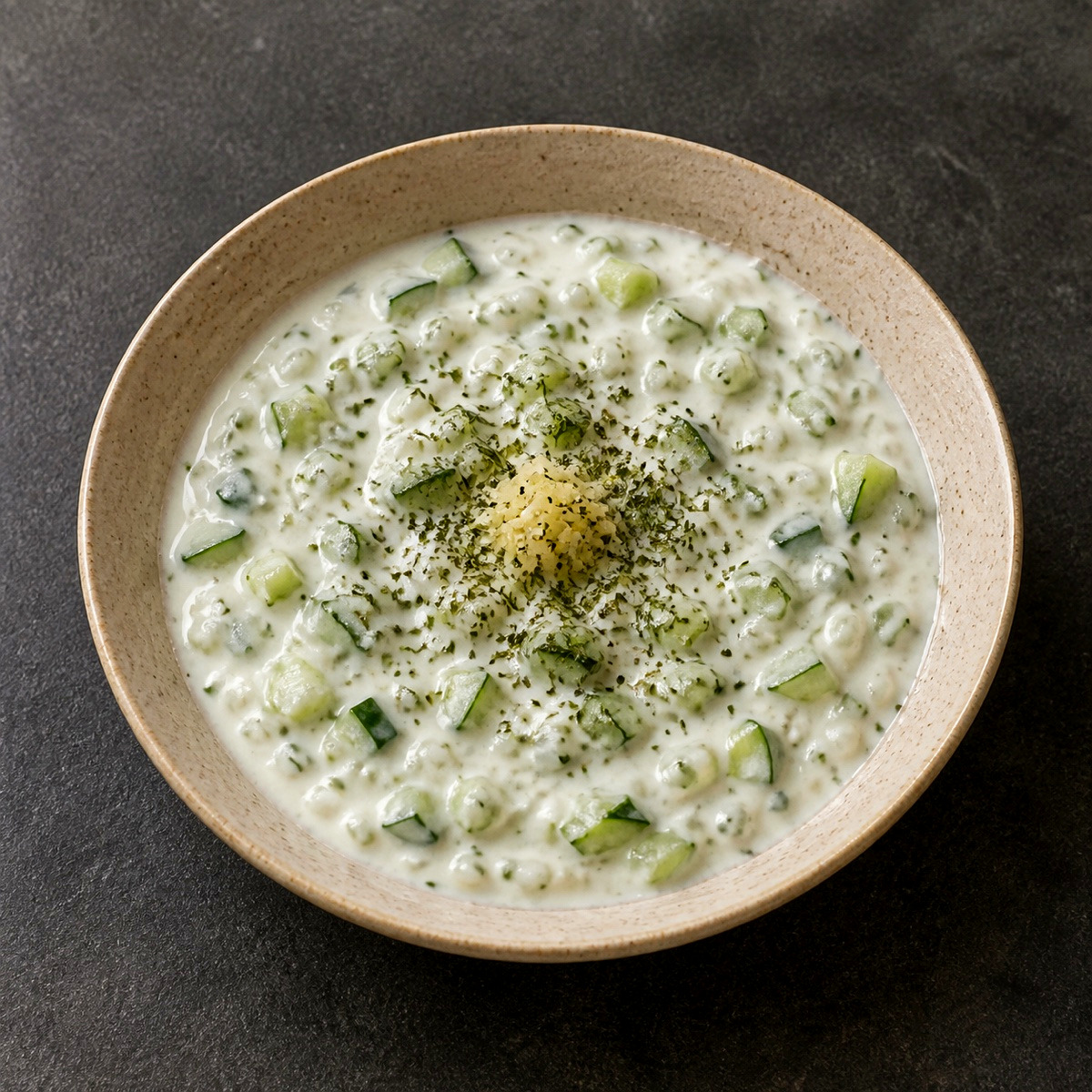
Dishes that belong beside this one.
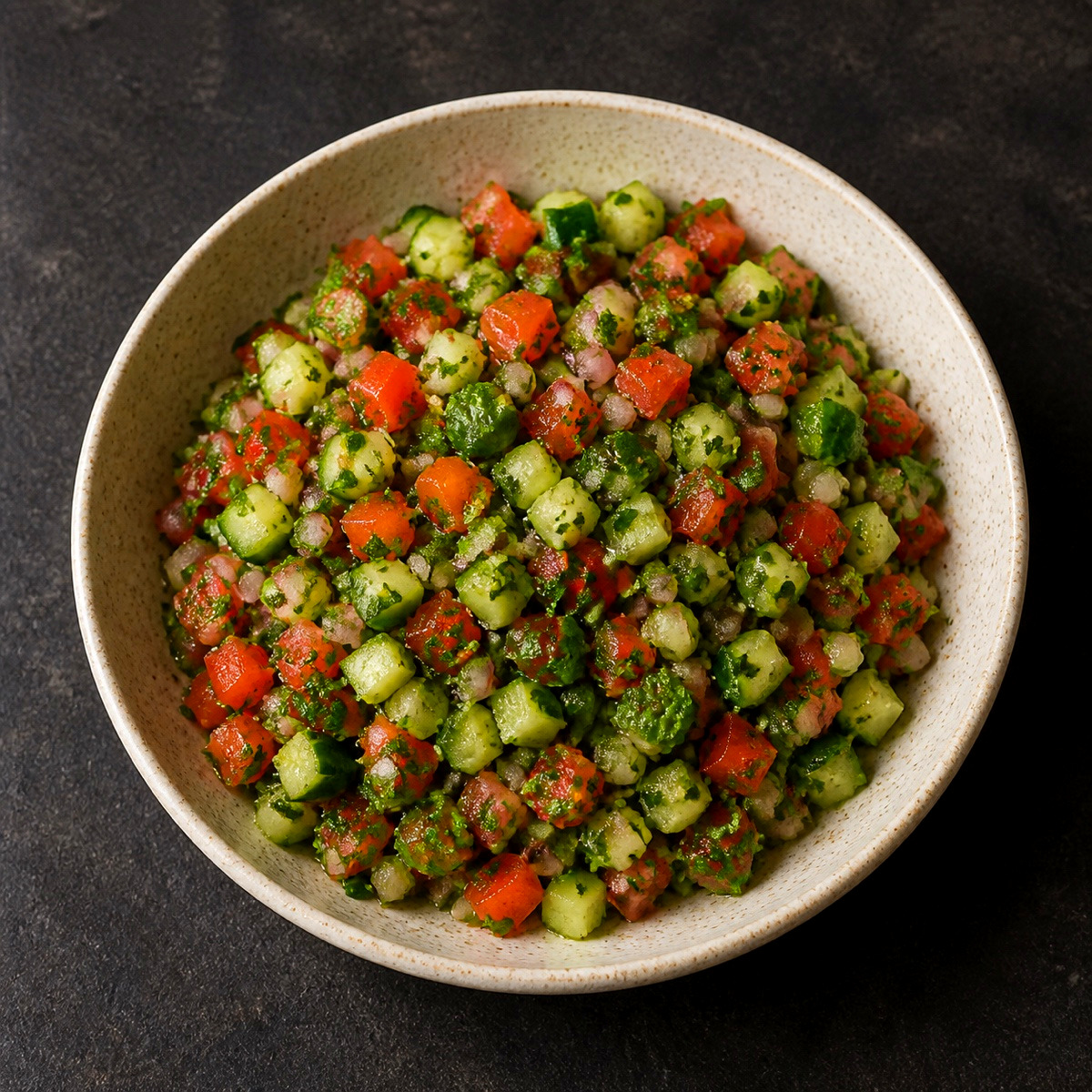
Arabic Salad
15 min
What this teaches
More from Main Dishes
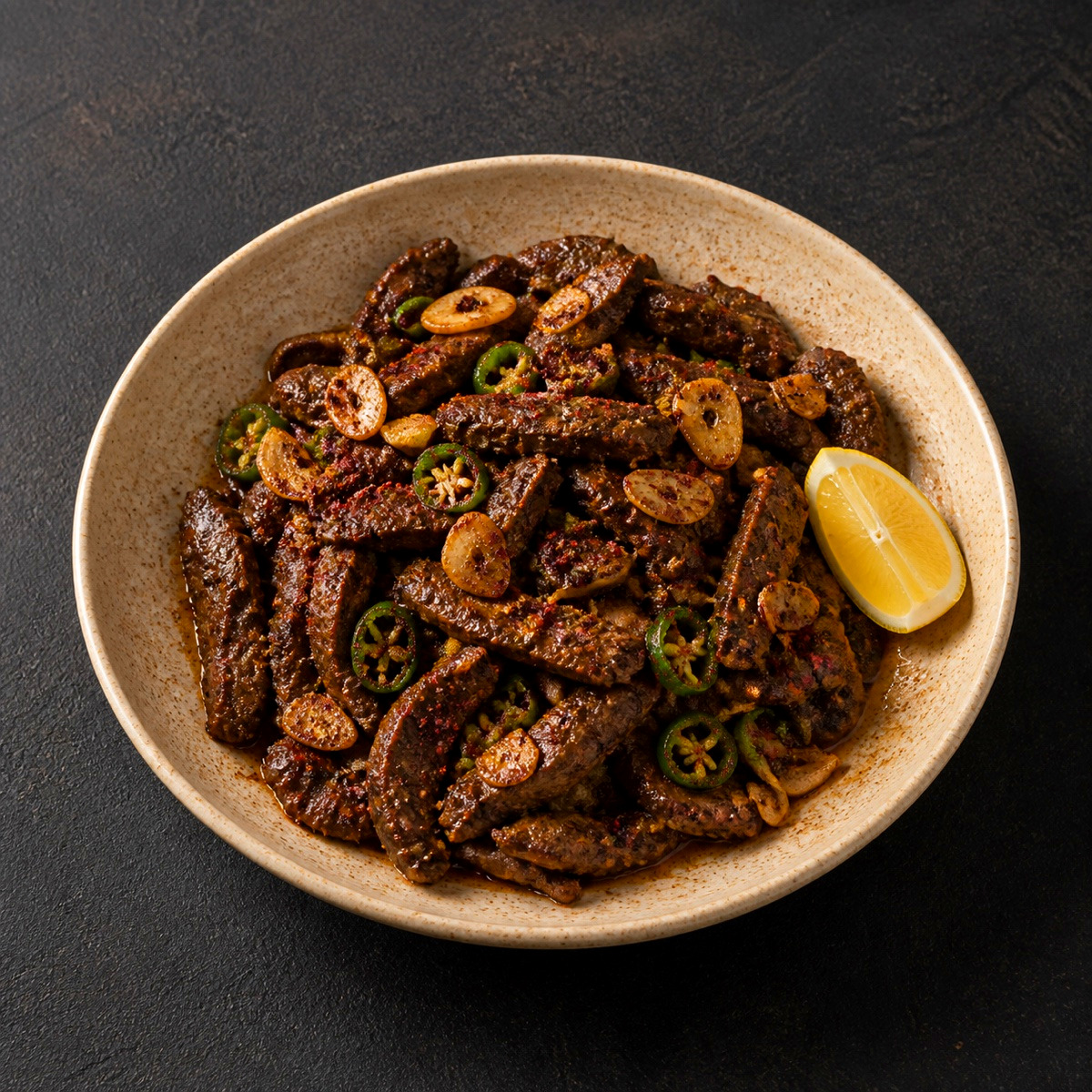
Alexandrian Liver
15 min
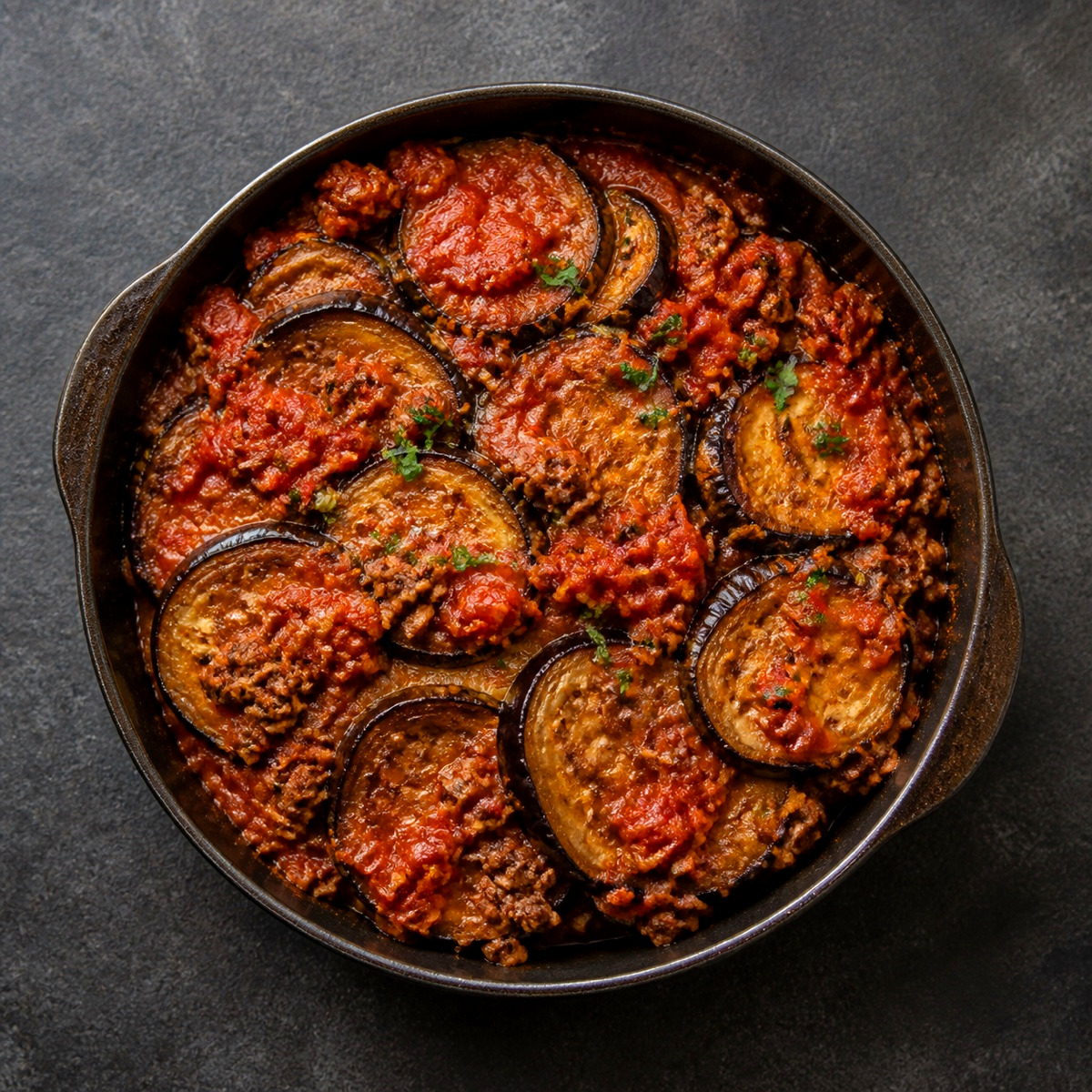
Arabic moussaka
1 hr 31 min
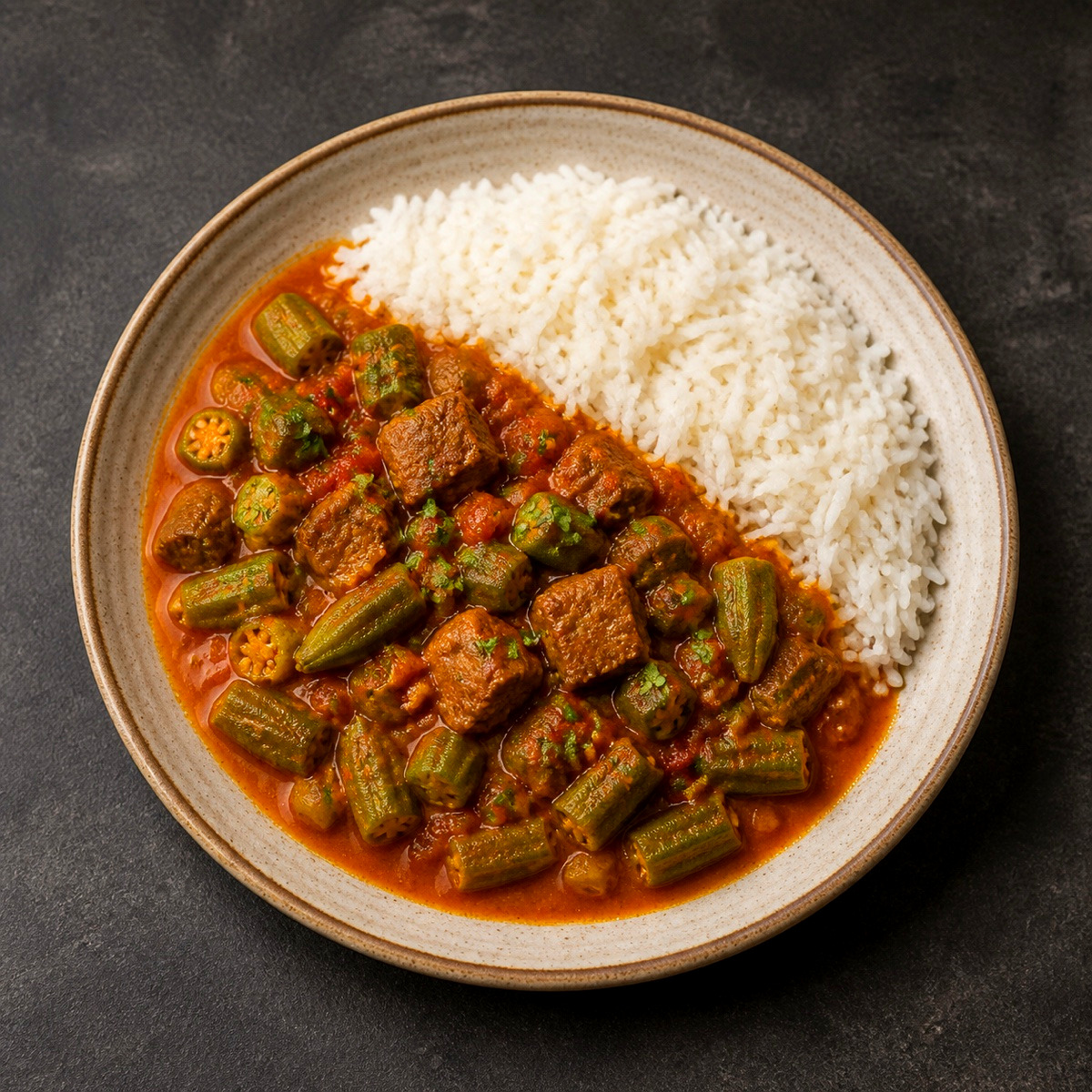
Okra stew
1 hr 35 min
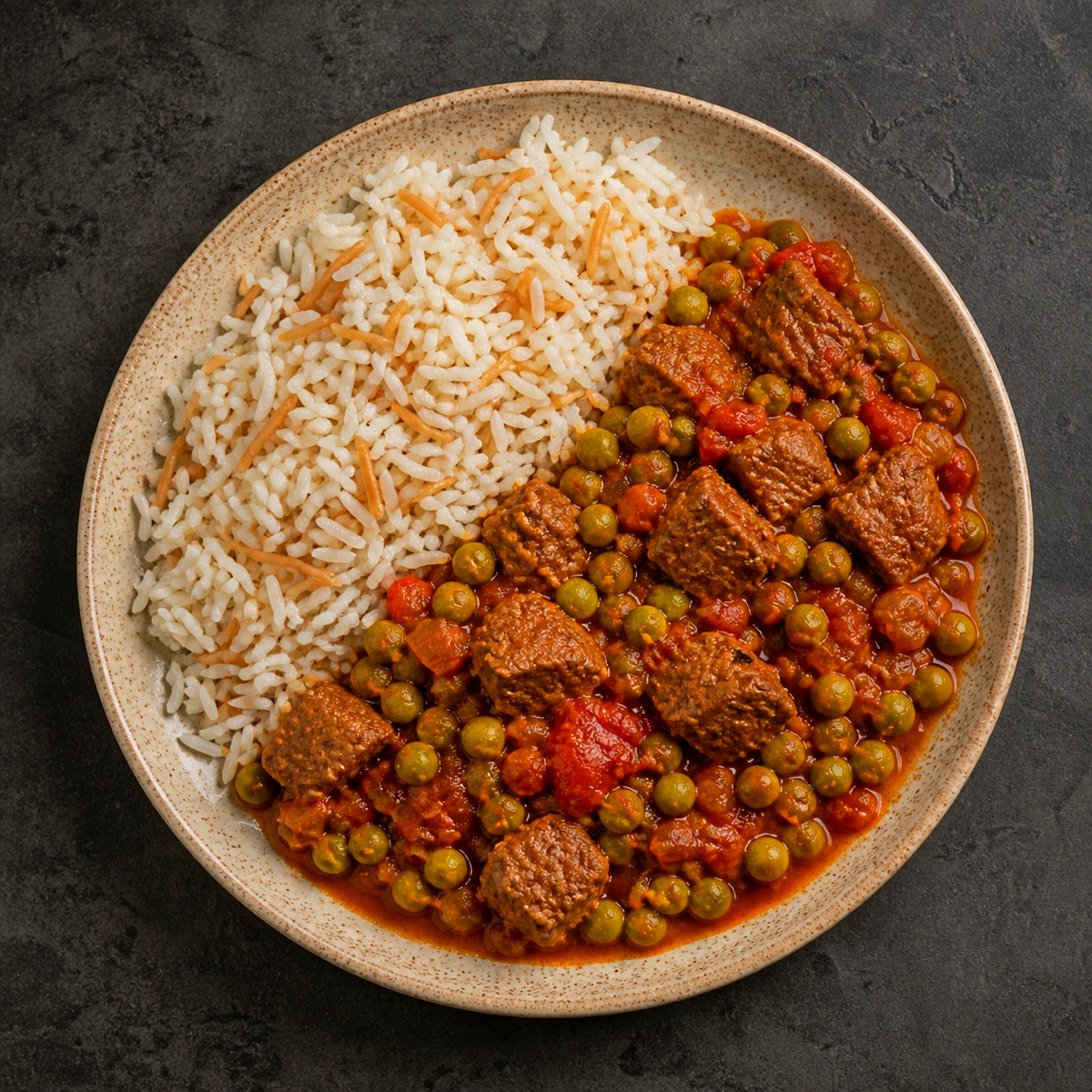
Pea stew
1 hr 12 min
Kabsa
1 hr 30 min